


Beyond the Numbers: New Possibilities for Measuring the Real Impact of Arts Education
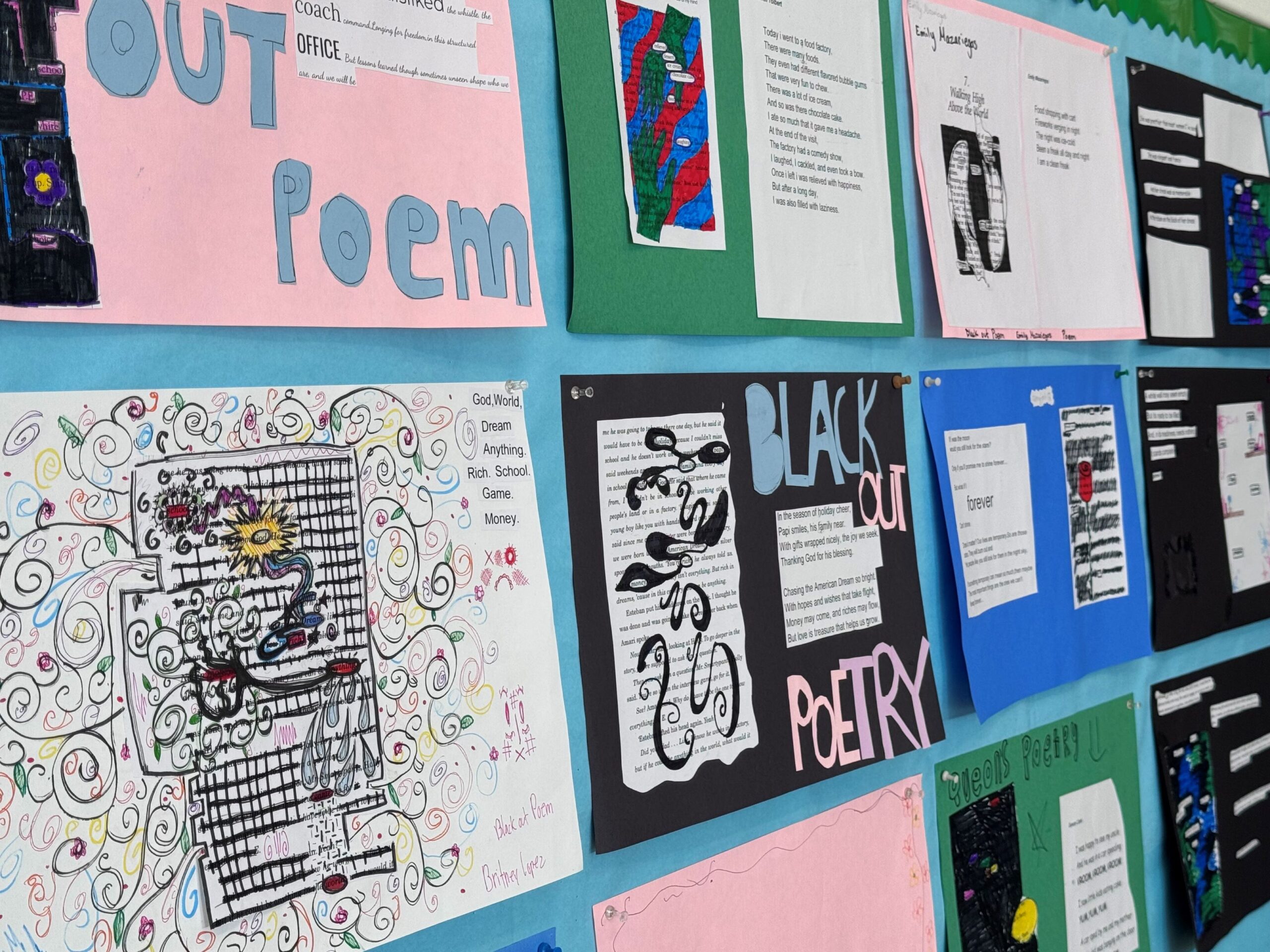
Everyone says they believe in the power of the arts. We hear it all the time—the arts matter, arts education boosts learning, creative experiences make communities stronger.
So why is it still so hard to secure lasting support for arts programs in public schools?
One major reason: we’ve been measuring the wrong things.
For decades, arts education has been evaluated by outputs—how many students participate, how many classes are offered, how many certified arts teachers are on staff, how many PD hours are logged. We also use quantitative outcomes like attendance rates, test scores, or reductions in discipline referrals.
These numbers are useful. They show scale. They show patterns. They’re easy to analyze.
But they don’t answer the question funders, policymakers, and families actually care about:
How does arts learning change students? How does it shape mindsets, behaviors, confidence, belonging, or the way young people see themselves in the world?
After the disruptions of the pandemic, this question is more urgent than ever. People want to know: If we invest in arts learning, what will it do for our kids today—and who they can become tomorrow?
To answer that, we need to expand the types of data we collect. It’s time to measure not only what students do, but how they grow.
A New Way Forward: Measuring the Social Impact of Arts Learning
Arts leaders have an opportunity to redefine how we talk about the value of arts education. That means elevating qualitative metrics—data that captures human experience, not just statistics.
Below is a practical roadmap for schools and arts organizations ready to measure what truly matters.
1. Bring the Right People to the Table
Gather a diverse group of 12–15 stakeholders—administrators, teachers, families, arts partners, even community leaders. Impact grows stronger when multiple perspectives shape the vision.
2. Revisit Your Mission, Vision, and Goals
Pull together existing plans and statements, then identify what explicit and implicit impacts are already embedded. Often, the values are there—we just haven’t named them as measurable outcomes.
3. Surface the Hard-to-Measure, High-Value Ideas
Most arts programs strive to nurture things like:
- Curiosity
- Creative and critical thinking
- Self-discipline
- Confidence
- Meaningful artistic growth
These aren’t “soft skills”—they’re essential skills. But we rarely define them clearly enough to measure them.
4. Describe What These Ideas Look, Sound, and Feel Like
Ask reflective questions:
- How would I know a student is becoming more curious?
- What does growing self-confidence look or sound like?
- How does creative thinking show up in daily work?
Concrete descriptions make invisible growth visible.
5. Identify Observable Metrics Aligned to Each Goal
Here are examples of qualitative indicators that reveal real shifts in student mindset and behavior:
- Spending more time creating art
- Seeking out additional arts opportunities
- Showing empathy and care for materials and peers
- Collaborating willingly with others
- Giving or requesting constructive feedback
- Sharing their work publicly
These actions tell a powerful story numbers alone cannot.
6. Choose the Methods to Collect These Stories
Qualitative data comes from:
- Artifacts – student artwork, journals, portfolios
- Stories and Narratives – interviews, quotes, reflections
- Observations – capturing behavior, interactions, and nonverbal cues
Possible tools include:
- Student work samples
- Focus groups
- Case studies
- Listening campaigns
- Equity participation trackers
- Nonverbal observation transcripts
- Records of teacher–student interactions
These methods help capture the learning that happens between the lines.
7. Create a Consistent, Multi-Year Data Plan
Qualitative evaluation requires rhythm and discipline. Set a realistic timeline and gather data at regular intervals for at least 3–5 years. Start with a baseline and track growth over time.
8. Build a Clear Communication Process
Decide who collects data, who analyzes it, and who shares the results. Transparent reporting—about successes and challenges—builds trust and fuels stronger support from every stakeholder group.
Why This Matters
Measuring the social impact of arts education is undeniably complex. It asks us to define things we often “just know” to be true—because we see them with our eyes and feel them in our hearts.
But complexity is not a barrier. It’s an invitation.
An invitation to tell a fuller, more compelling story. An invitation to elevate student voices and lived experience. An invitation to show why arts learning is not extra—but essential.
It’s never too late to start measuring what matters most.